
Introduction: Why Arcade Management Systems Matter More Than Ever
The arcade and Family Entertainment Center (FEC) industry has evolved rapidly in recent years. Modern game centers are no longer simple collections of coin-operated machines. Today’s venues combine arcade games, claw machines, VR attractions, redemption zones, and digital payment systems—often across large spaces or multiple locations.
To manage this complexity efficiently, operators now rely on a centralized arcade management system.
An arcade management system is the foundation of a smart arcade, enabling real-time control, data analytics, cashless payments, and scalable operations. Without it, modern game centers struggle with revenue leakage, high labor costs, and poor operational visibility.
What Is an Arcade Management System?
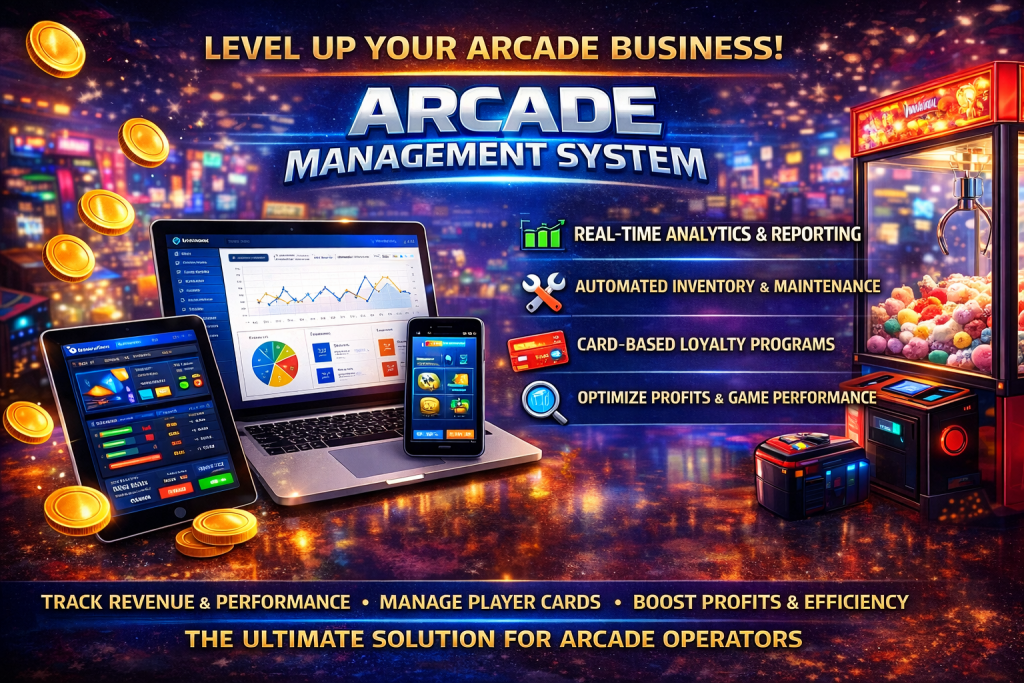
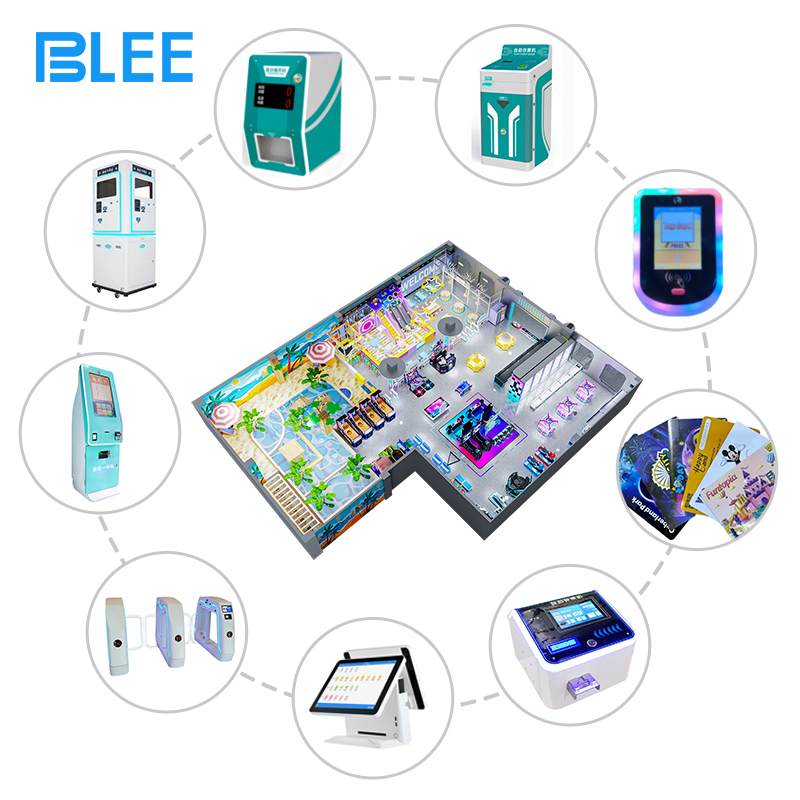
An arcade management system is a centralized software and hardware solution that connects, controls, and monitors all arcade machines and payment devices within a game center or FEC.
It is also commonly referred to as:
- arcade management software
- game center management system
- FEC management system
- arcade operating system
- arcade control system
- arcade POS system
- arcade backend system
- amusement management system
- smart arcade system
Regardless of the name, the purpose is the same:
👉 to manage games, payments, data, and operations from one unified platform.
How Does an Arcade Management System Work?
A modern arcade system typically consists of four core layers:
1. Machine Connection Layer
Each arcade machine—such as racing games, shooting games, claw machines, VR simulators, or redemption games—is connected via controllers or IoT modules.
This allows the system to:
- Enable or disable machines remotely
- Track play counts and machine uptime
- Adjust pricing instantly
2. Payment & POS Layer
The arcade POS system handles all payment logic, including:
- Card swipe systems
- QR code & mobile payments
- RFID cards or wristbands
- Hybrid coin + cashless systems
This layer eliminates manual cash handling and improves payment convenience.
3. Backend Management Layer
The arcade backend system is where operators manage:
- Pricing rules
- Promotions and bonus credits
- Membership and loyalty programs
- Machine categories and zones
This is the “control center” of the arcade operating system.
4. Data & Analytics Layer
The system collects real-time data, including:
- Revenue per machine
- Peak playtime analysis
- Machine ROI
- Zone performance
- Player behavior patterns
These insights drive smarter decisions and higher profitability.
Why Modern Game Centers Need an Arcade Management System
1. Centralized Control for Complex Venues
Modern game centers often include:
- Arcade machines
- Claw machine zones
- Redemption counters
- VR attractions
- Party and event areas
A unified game center management system ensures all zones operate smoothly under one platform.
2. Cashless Payments Increase Revenue
Cashless systems:
- Reduce friction at entry
- Increase average spend per customer
- Enable promotions and bundles
- Reduce theft and cash loss
This is why most modern FECs adopt smart arcade systems with integrated POS.
3. Real-Time Monitoring & Reduced Downtime
With an arcade control system, operators can:
- Detect machine issues instantly
- Restart or lock machines remotely
- Monitor performance without being on-site
This improves machine uptime and player satisfaction.
4. Data-Driven Business Decisions
Instead of guessing:
- Which machines perform best
- Which zones need adjustment
- Which games should be replaced
Operators use backend data to optimize layout, pricing, and machine mix.
Key Features of a Modern Arcade Management System
✔ Centralized Dashboard
Manage all machines, payments, and reports from one interface.
✔ Flexible Payment Integration
Support coins, cards, QR payments, and hybrid models.
✔ Membership & Loyalty System
Encourage repeat visits and higher lifetime value.
✔ Multi-Location Management
Ideal for chain arcades, malls, and resort operators.
✔ Remote Pricing & Promotion Control
Change prices instantly for peak hours or special events.
✔ Scalable Architecture
Grow from a small arcade to a full FEC turnkey project.

Arcade Management System vs Traditional Coin-Operated Model
| Feature | Traditional Arcade | Smart Arcade System |
|---|---|---|
| Payments | Coins only | Cashless + hybrid |
| Data tracking | None | Real-time analytics |
| Pricing | Fixed | Dynamic |
| Maintenance | Manual | Remote monitoring |
| Scalability | Limited | High |
| ROI optimization | Difficult | Data-driven |
Who Needs an Arcade Management System?
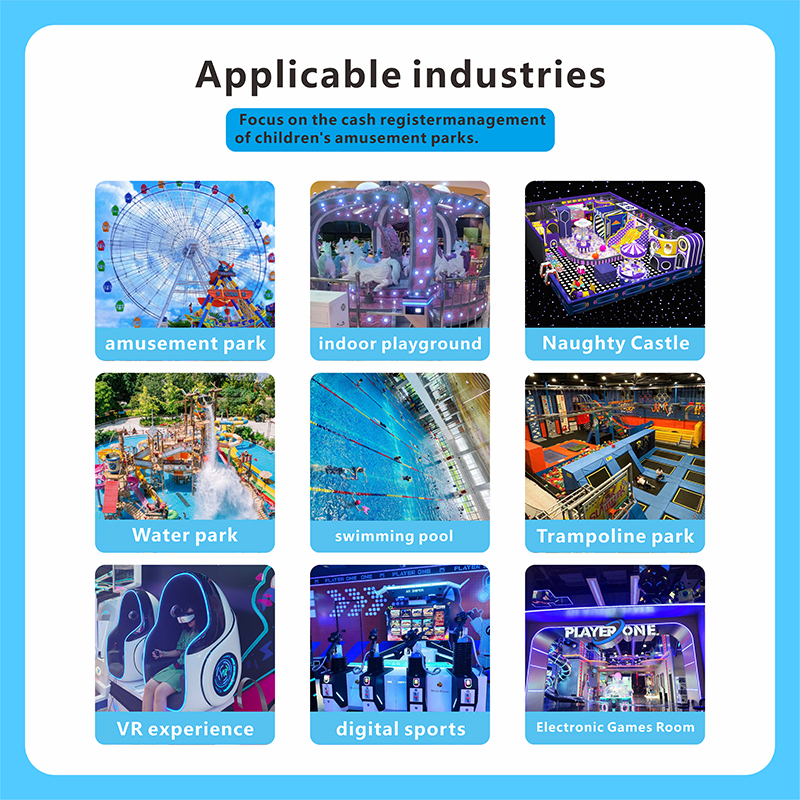
✔ Shopping Mall Arcades
Track zone-based revenue and manage peak traffic efficiently.
✔ Family Entertainment Centers (FECs)
Operate multiple attractions under one FEC management system.
✔ Resorts & Hotels
Integrate arcade usage into guest experiences.
✔ Claw Machine Stores
Monitor win rates, prize costs, and machine profitability.
✔ Arcade Chains & Investors
Scale operations with centralized system integration.
Arcade Management System in a Turnkey Arcade Solution
In modern projects, the system is no longer sold separately.
A professional supplier provides:
- Game machines
- Arcade management software
- Payment system
- Installation & training
This is known as:
- arcade turnkey solution with management system
- arcade one-stop solution
- arcade full setup solution
- FEC turnkey project
- game center total solution
- amusement center turnkey solution
System integration is the key to long-term success.
How BLEE Delivers Complete Arcade System Integration
As an experienced arcade complete solution supplier, BLEE offers:
- Smart arcade management system
- Arcade POS system integration
- Full machine compatibility
- Turnkey installation & training
- Scalable backend system
- Global after-sales support
From planning to opening, BLEE provides a complete arcade project solution tailored to your market.
FAQ
What is an arcade management system?
An arcade management system is a centralized platform that manages arcade machines, payments, analytics, and operations in modern game centers and FECs.
Is an arcade management system necessary for small arcades?
Yes. Even small arcades benefit from cashless payments, real-time tracking, and reduced labor costs.
Can one system manage different types of arcade machines?
Yes. Modern systems support racing games, shooting games, claw machines, redemption games, and VR attractions.
What is the difference between arcade POS and arcade backend system?
The POS handles payments, while the backend system manages pricing, analytics, machine control, and reports.
Does a turnkey arcade solution include the management system?
A professional arcade turnkey solution should always include machine supply, management software, payment system, and installation.
Conclusion: The Core System Behind Every Successful Arcade
A modern arcade is no longer defined by machines alone.
It is defined by data, control, and integration.
A powerful arcade management system transforms a traditional arcade into a smart, scalable, and profitable entertainment business.
If you are planning a new arcade, upgrading an existing venue, or investing in an FEC turnkey project, choosing the right management system is one of the most important decisions you will make.
📩 Contact BLEE to explore a complete arcade management system and turnkey arcade solution tailored to your business goals.