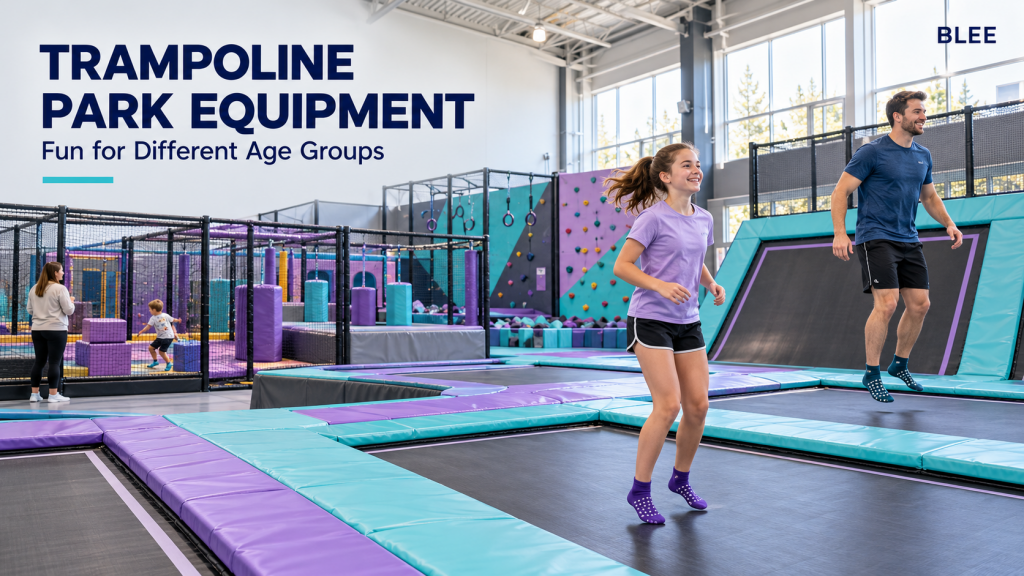
Trampoline park equipment should be selected around the people who will use the venue. Children, teenagers, and adults may arrive together, but they often look for different experiences. Some want a simple introduction to jumping. Others enjoy team games or individual challenges. A thoughtful combination of activities gives visitors choices throughout their visit. For operators, the aim is to create a park where each zone has a clear purpose.
Start with Your Guests
Before choosing attractions, consider your main audience. A family destination may need dedicated children’s activities and places for parents to watch. A venue focused on teenagers may give more space to group games and physical challenges. Birthday parties and school groups also bring different needs.
Age is only one consideration. Confidence, experience, and the attraction’s participation requirements also matter. A first-time visitor may prefer an introductory session, while a returning guest may want a new challenge. Plan around these differences without assuming every visitor will use every attraction. This approach gives your team a clearer starting point when discussing the layout with an equipment supplier.
Planning Trampoline Park Equipment Around a Main Jump Area
A main jump area provides space for general jumping sessions. It can form the center of the activity mix, with other experiences arranged around it. Commercial trampoline equipment should be selected for the intended use, rather than simply to fill the largest available space.
Consider how visitors enter, wait, and leave the zone. Keep circulation routes separate from active jumping surfaces. For younger participants, discuss dedicated areas or scheduled sessions with your supplier.
The trampoline park equipment mix should also leave room for staff access and visitor orientation. A clear arrangement helps guests understand where their session begins. It also gives operators defined areas to manage during busy periods.
Add Challenges with a Clear Purpose
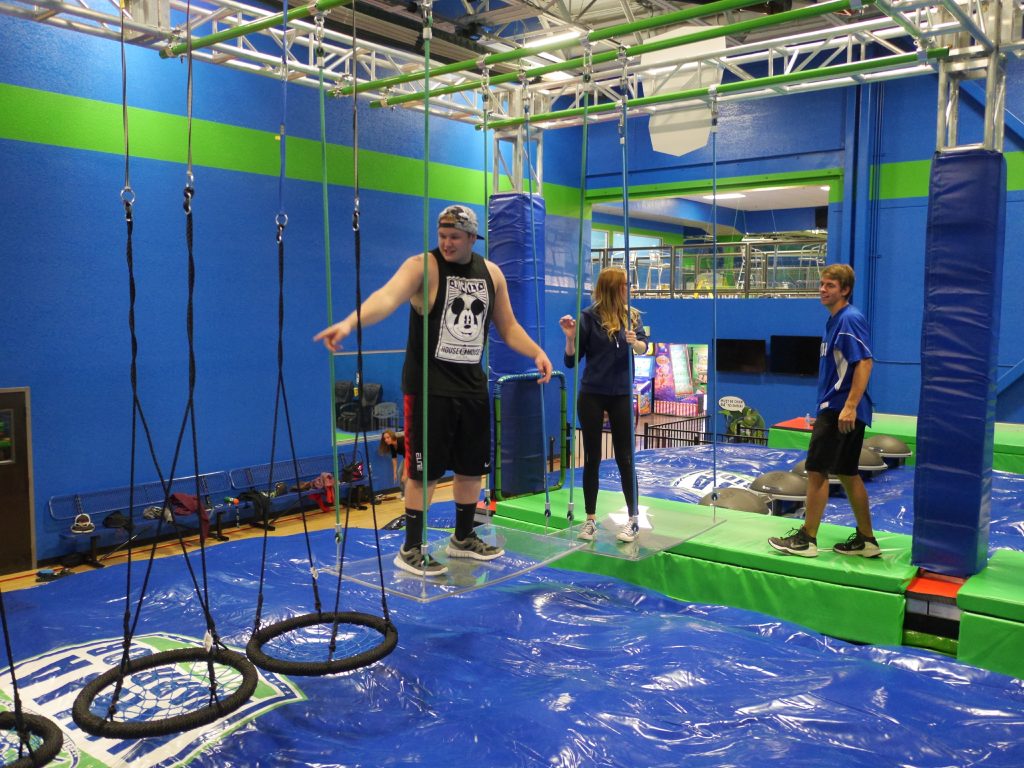
Different attractions offer different reasons to participate. A dunk zone combines jumping with a basketball target. A dodgeball court adds a team activity. A foam pit introduces another type of attraction, subject to its own operating instructions and supervision needs.
Choose these trampoline attractions around your audience and available space. A compact venue may benefit from a smaller selection of distinct activities. A larger park can accommodate more variety, provided each area has appropriate access and operating space.
Group games need particular attention. For example, a dodgeball court should have a defined playing area and suitable separation from surrounding activities. Eligibility and supervision should follow the equipment provider’s instructions. Avoid treating competitive games as interchangeable with introductory jumping sessions. Each attraction needs its own purpose, participation rules, and place within the overall layout.
Give Jumping Zones Clear Boundaries
An indoor trampoline park should be easy to understand when guests arrive. Visitors need to identify suitable activities, find staff, and move between zones without crossing active play areas.
Use visible entrances, clear signs, and consistent zone names. Place waiting areas outside the activity space. Where younger children have a dedicated section, make its boundary easy to recognize. Parents should also understand where they can watch and when staff assistance is required.
Think about the journey beyond the attractions. Reception, belongings storage, seating, and toilets are part of the visit. An indoor activity center needs space for these functions as well as its equipment. A floor plan that includes the complete visitor journey is more useful than one showing attractions alone.
Make Everyday Operations Part of the Design
Before confirming a layout, ask how the park will be inspected, cleaned, and maintained. Commercial trampoline systems contain parts that need access for routine checks. Jumping surfaces, padding, springs, and connections should be covered by the manufacturer’s inspection and maintenance guidance.
Discuss replacement parts and service access during equipment selection. A visually impressive arrangement can become inconvenient if essential components are difficult to reach. Staff should also have practical positions for observing the activities they supervise.
Create a process for recording inspections and reporting problems. Damaged equipment should be taken out of use until it has been assessed and addressed. These arrangements belong in the planning stage, alongside the attraction mix and visitor layout.
Build a Mix That Can Evolve
Visitor feedback can help operators review the park after opening. Observe which activities guests choose, where queues form, and which areas need clearer instructions. Consider feedback from staff as well as visitors.
Future changes should be evaluated against the existing structure, access, and operating requirements. Discuss possible upgrades with the supplier before making alterations. Adding more attractions is only useful when the venue can accommodate them properly.
BLEE provides trampoline park equipment and supports project planning around your space and intended audience. Share your floor plan, available height, target visitors, and preferred activities with our team. These details help start a practical discussion about equipment selection and layout. A well-planned activity mix gives different visitors suitable choices while supporting the everyday work of running the park.